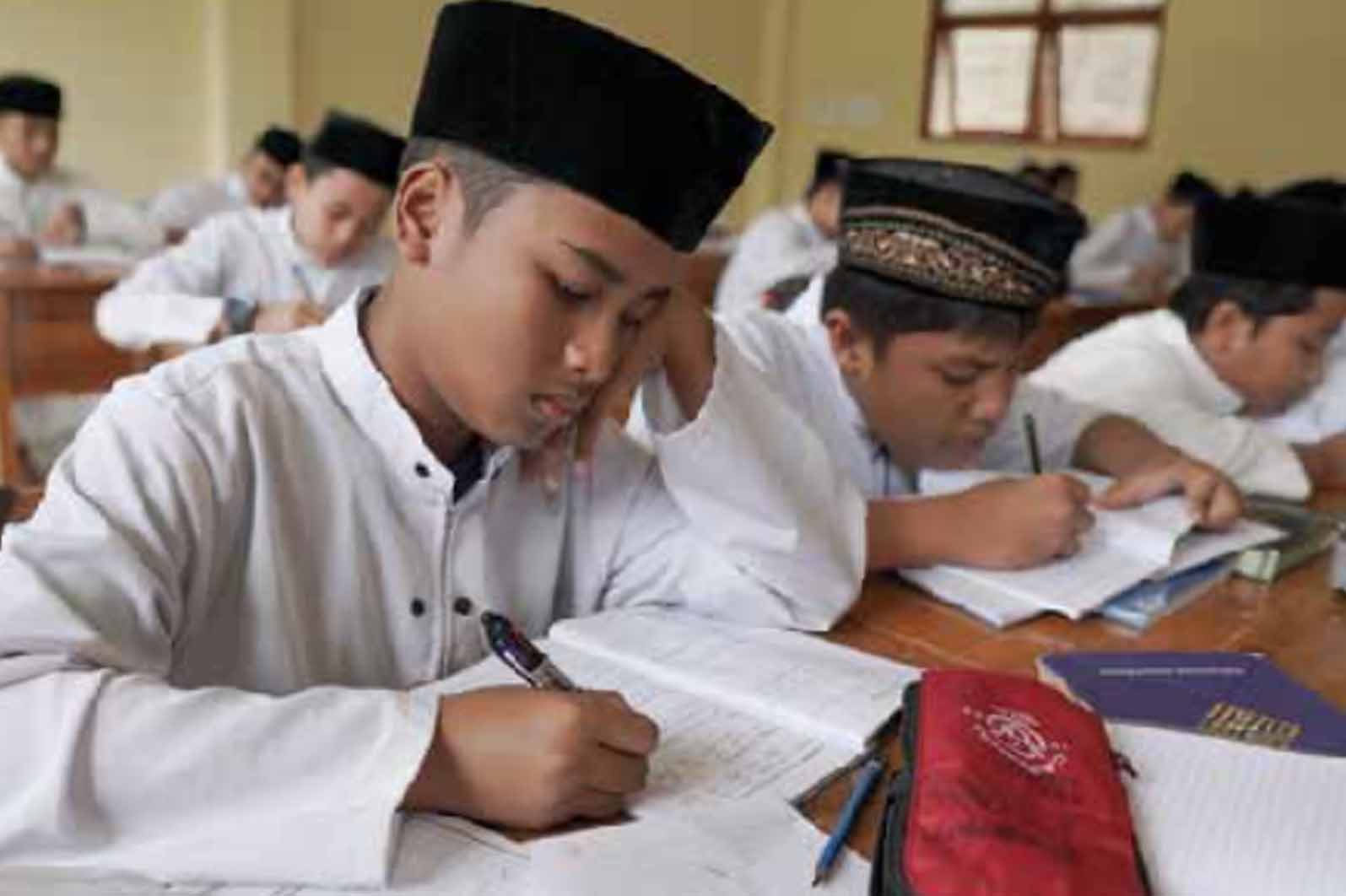
Social And Political Movement Of Pondok Pesantren Nurul Ilmi Ranggagata Praya Barat Daya Central Lombok
Abstract
Pesantren (Islamic boarding schools) and politics are two terms that the authors explore in this paper. These two elements, though different, exhibit synergy in the social reality and history of the Nusantara (the Indonesian Archipelago). This paper outlines the political movements of Pondok Pesantren Nurul Ilmi, the history of the pesantren, and its role in national life. Historically, pesantren existed to uphold Islamic values, emphasizing education. Pesantren strive to educate their students, aiming for them to become broad-minded individuals with character, who then reflect this in society. As stated by Kiai Hasyim in several of his works, the goal of Islamic education, especially in pesantren, is not only cognitive but also the practical application of learned knowledge, known as beneficial knowledge (‘ilm nafi’a). This is the advantage of pesantren education, which combines intellectual, emotional, and spiritual intelligence to shape a person's character. Character is a crucial factor in leadership, enabling one to step out of existing culture and initiate more adaptive evolutionary changes. As a character education laboratory, pesantren become a repository of character formation in intellectual, social, and particularly leadership aspects.
Downloads